Tanace Organics Pvt. Ltd

US Hemp Apparel Trends (2015-2025): How Sustainable, Eco-Friendly Clothing Built a Market Stronghold

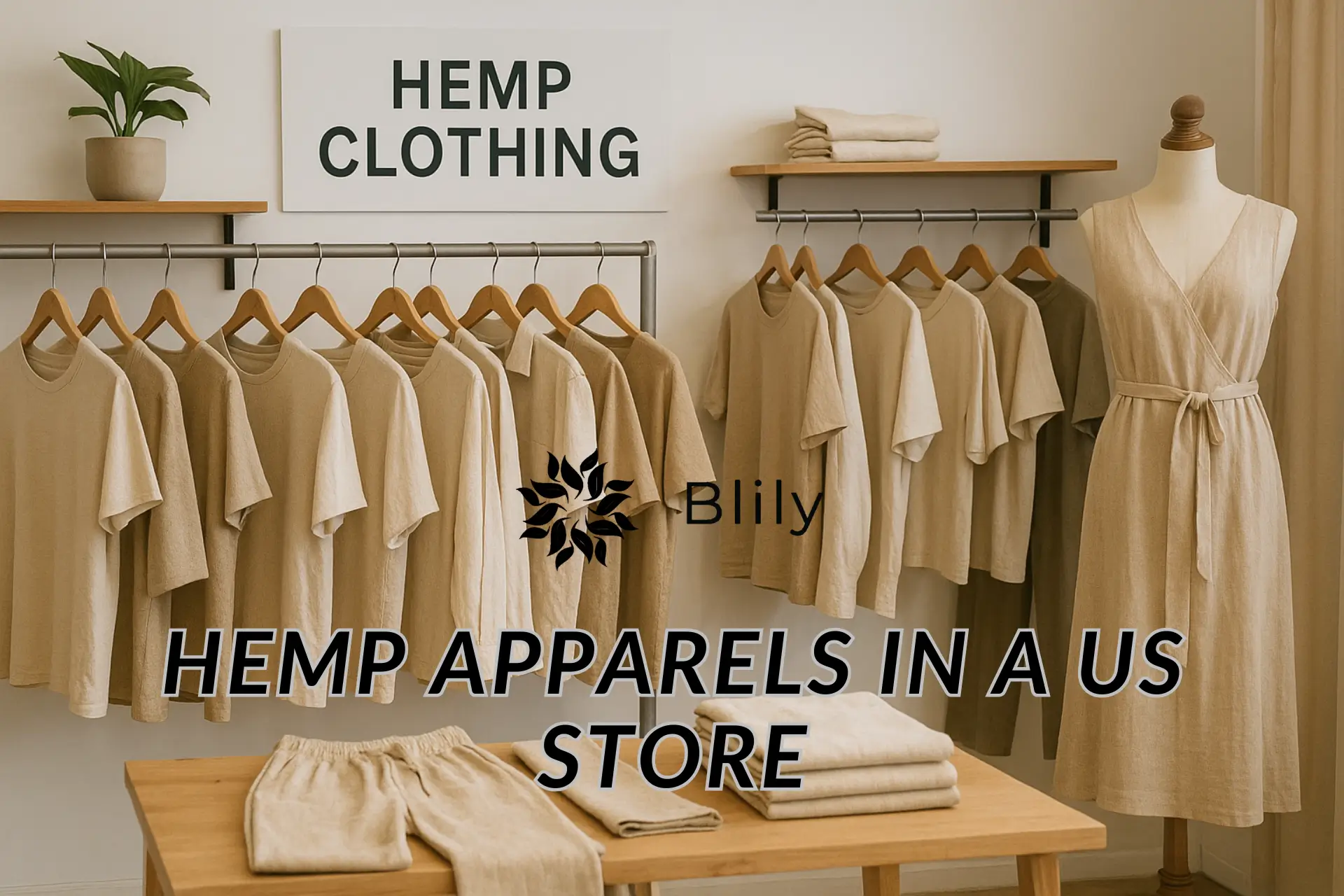
Over the last ten years, hemp apparel has quietly but steadily carved out a niche in the US fashion market. Once associated with counterculture movements and niche eco-conscious consumers, hemp has emerged as a mainstream sustainable fabric choice. From casual wear to premium apparel lines, hemp apparel USA has grown from a curiosity into a significant player in the sustainable fashion trends arena.
Hemp has been cultivated for thousands of years, primarily for rope and textiles. However, its reintroduction into the modern US fashion market has been fueled by growing awareness of eco-friendly apparel and the environmental impact of cotton and synthetic fabrics. Today, hemp clothing brands USA are gaining recognition not only for sustainability but also for style, comfort, and durability.
Table of Contents
The Legal Landscape: Hemp’s Journey to Legality
A major factor behind hemp’s resurgence in the US market is legalization. The 2018 Farm Bill marked a turning point by federally legalizing hemp cultivation, provided it contains less than 0.3% THC. This opened the doors for hemp fabric production, retail distribution, and textile innovation.
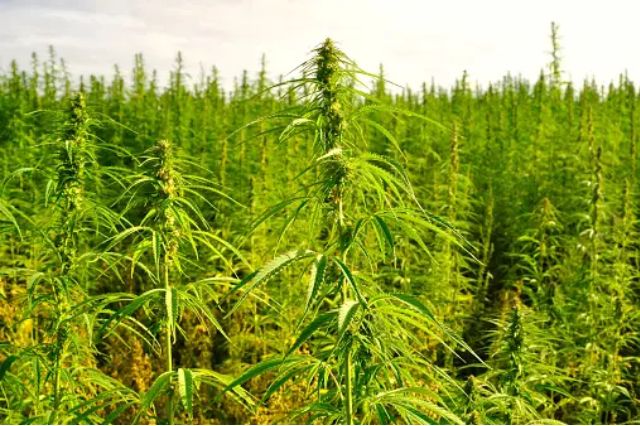
Before legalization, hemp clothing production faced severe restrictions due to its association with cannabis. Now, companies can legally grow hemp, extract fibers, and produce sustainable apparel without legal hurdles. This shift not only allowed established brands to enter the market but also encouraged startups focused on eco-conscious fashion to emerge.
Market Growth: Hemp Apparel’s Surge in Popularity
From 2015 to 2025, the US hemp clothing market has seen significant growth. According to industry reports, the hemp apparel market in the USA has grown by over 200% in the last decade, driven by rising consumer demand for eco-friendly clothing and government incentives for sustainable farming practices.
Several brands have emerged as leaders in this segment:
- Patagonia Hemp Collection – Blends performance wear with sustainable materials.
- Toad&Co – Focuses on eco-conscious fashion choices with hemp-based casual wear.
- Hemp Tailor – Combines hemp with organic cotton for durable, stylish apparel.
These brands have helped position hemp apparel as a viable alternative to conventional fabrics, appealing to environmentally-conscious consumers and trend-savvy millennials alike.
Sustainability Factor: Why Consumers Are Choosing Hemp
Hemp is often referred to as one of the most sustainable fabrics on the planet. It requires less water than cotton, grows without harmful pesticides, and is biodegradable, reducing environmental impact.
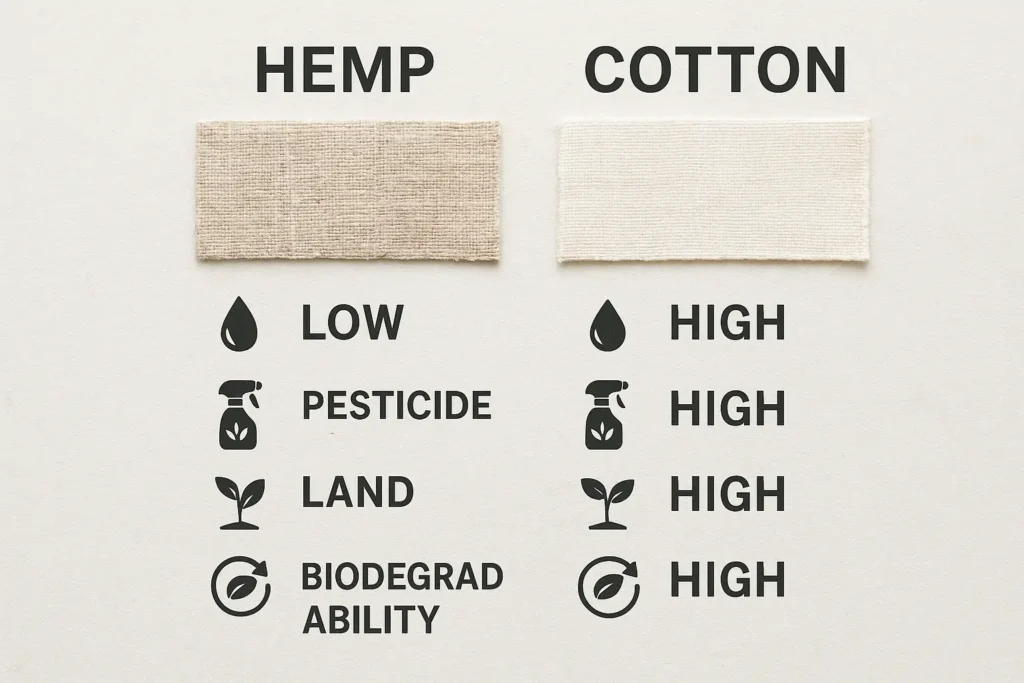
Hemp is also durable, breathable, and softens naturally over time, making it ideal for clothing. For US consumers increasingly interested in sustainable textile industry practices, hemp clothing offers a combination of eco-friendliness and comfort. As more consumers prioritize eco-conscious fashion choices, hemp’s popularity continues to rise.
Challenges and Opportunities in the Hemp Apparel Industry
Despite its growth, the hemp clothing industry faces challenges:
- Consumer Awareness: Many consumers are still unaware of the benefits of hemp over cotton or synthetic fabrics.
- Production Costs: Hemp cultivation and fabric production can be more expensive than conventional methods.
- Limited Retail Presence: While online sales are growing, hemp clothing is still underrepresented in mainstream retail.
However, opportunities abound. The growing demand for sustainable fashion trends and eco-friendly apparel opens doors for new startups, innovative blends (hemp + organic cotton), and collaborations with mainstream brands. Companies that educate consumers about the benefits of hemp fabric and create stylish, affordable products are likely to dominate the market in the coming years.
Future Outlook: The Next Decade for Hemp Clothing
Looking ahead, the US hemp apparel market is poised for continued growth. Analysts predict that hemp clothing trends 2025 and beyond will focus on:
- Hybrid fabrics: Combining hemp with recycled or organic fibers for versatility.
- Smart textiles: Hemp fabrics infused with sustainable tech for performance clothing.
- Brand collaborations: Eco-friendly and mainstream brands working together to expand market reach.
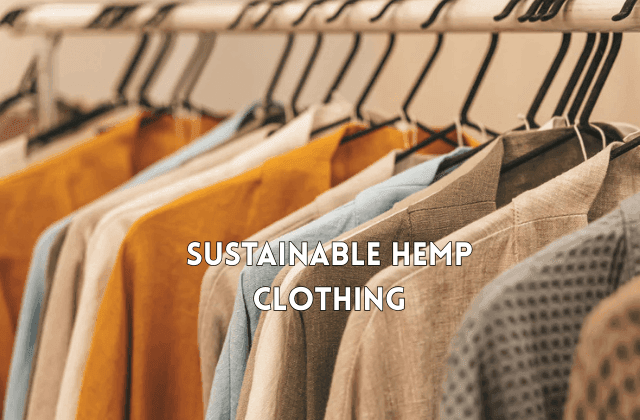
With millennials and Gen Z consumers prioritizing sustainability, hemp clothing is set to become a standard in eco-conscious wardrobes rather than a niche alternative.
Conclusion: Hemp Clothing’s Role in Sustainable Fashion
In just a decade, hemp clothing has transformed from a niche sustainable fabric into a recognized player in the US fashion market. Its environmental benefits, durability, and versatility, combined with growing consumer demand for eco-friendly apparel, make hemp a key player in sustainable fashion trends.
For brands and consumers alike, supporting hemp apparel fabric is not just a style choice—it’s a step toward a more sustainable and responsible fashion industry.
As we look toward 2030, hemp clothing will likely continue to expand its influence, driving innovation in sustainable textiles while helping the fashion industry reduce its ecological footprint.
FAQs: Hemp Clothing in the USA (2015–2025)
1). Why is hemp clothing becoming popular in the USA?
Hemp clothing has gained traction in the USA because it aligns perfectly with the nation’s growing interest in sustainable and eco-friendly fashion. Consumers today are more aware of environmental issues like water wastage and pollution caused by fast fashion. Hemp requires less water, zero pesticides, and is biodegradable, making it one of the most sustainable fabrics available. Plus, its natural durability and comfort attract both eco-conscious and style-savvy buyers.
2). Is hemp fabric better than cotton for the environment?
Yes, hemp fabric is significantly better for the environment than cotton. Cotton is known to consume huge amounts of water and often relies on heavy pesticide use. In contrast, hemp grows rapidly, even in poor soil, and needs minimal irrigation. It also restores soil fertility and absorbs CO₂, making it a true climate-positive crop. Studies suggest that hemp uses 75% less water than cotton while producing a stronger, longer-lasting fiber.
3). Can hemp clothing be stylish or is it only for eco-conscious buyers?
Modern hemp clothing is far from dull! Thanks to advancements in textile technology, hemp blends beautifully with organic cotton, linen, and Tencel to produce soft, breathable, and fashion-forward garments. Many USA-based brands—like Patagonia, Toad&Co, and Blily—are creating hemp-based designs that balance sustainability with modern style. So, it’s not just for eco-activists—it’s for anyone who values comfort and timeless fashion.
4). What are the challenges hemp apparel brands face in the US market?
Despite its potential, hemp clothing brands face a few roadblocks. The biggest challenge is production cost—since large-scale hemp textile processing units are still developing in the US. Also, consumer awareness remains limited, and some still associate hemp with marijuana due to its botanical connection. However, as education and legalization spread, these barriers are slowly fading, paving the way for mainstream adoption of hemp apparel.
5). What is the future of hemp fashion in the USA?
The future of hemp fashion in the USA looks incredibly strong. According to recent market research, the US hemp textile market is expected to grow by over 20% annually through 2030. As more consumers demand sustainable, traceable, and ethical products, hemp will play a key role in reshaping the fashion landscape. In the next decade, hemp is predicted to move from niche to mainstream fashion, especially within athleisure, casualwear, and eco-luxury segments.
Curious to try hemp? Check out curated hemp collections from vetted US brands, or read our buyers’ guide to choosing the right hemp blend for comfort and durability.